
Disc Issues Care in Oakland
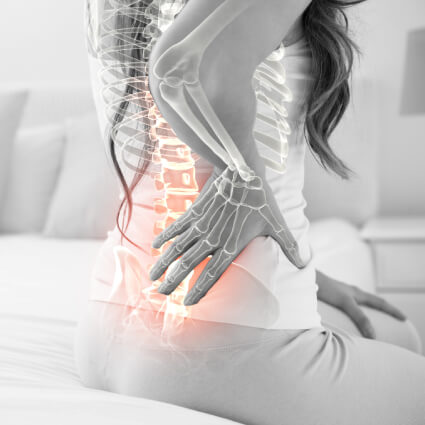 A sharp pain that shoots down your leg when you bend the wrong way, or stiffness that makes getting out of bed harder than it should be, can point to more than simple muscle strain. Disc issues can affect how your spine handles movement and load, sometimes developing gradually before becoming difficult to ignore.
How Disc Changes Can Develop Over Time
The discs between your spinal vertebrae act as cushions, helping the spine move and absorb shock. They are also ligaments, keeping your bones together in your spine. Repeated or excessive pressure can affect these structures over time. A bulging disc occurs when the disc extends beyond its normal space, while a herniated disc may involve a tear in the outer layer that allows inner material to push through. Either can irritate nearby nerves or occur alongside restricted movement in surrounding joints. Lack of joint motion leads to degeneration.
What May Contribute to Disc Issues
Disc problems can develop from a combination of repeated stress, lifestyle factors, injuries, and age rather than one single event. These include:
- Repetitive bending, twisting, or heavy lifting
- Prolonged sitting and certain posture habits
- Sudden trauma, including auto accidents or falls
- Reduced core and spinal support
- Age-related changes in the discs
- Increased load on the lower back
When the Pain Starts Traveling
Disc-related discomfort doesn’t always stay in one place. It may radiate from the lower back into the hip, thigh, or leg, sometimes with tingling, numbness, or burning sensations. In the neck, symptoms may travel into the shoulder or arm.
Sitting, coughing, or bending forward may aggravate symptoms, while certain positions may provide temporary relief. Some people also experience weakness when a nerve is affected. These changes can make working, lifting, exercising, driving, or even getting comfortable at night more difficult.
Signs It’s Time to Get Checked
Numbness, tingling, or weakness that spreads into an arm or leg warrants assessment. The same applies to persistent or recurring pain that interferes with sitting, standing, sleeping, or everyday movement.
Building a Plan Around Your Symptoms
Disc-related symptoms can vary widely, so the first step is understanding when they started, where they travel, and which positions or activities make them better or worse. Dr. Peter Rehl D.C. then assesses spinal movement, nearby joints, and any signs that nerve irritation may be involved. If imaging would be helpful, a referral can be made to a nearby facility.
Care is based on those findings and your individualized health care protocol is determined for you. Gentle, instrument-assisted adjustments may be used to address restricted joint movement, while soft tissue care, cold laser therapy, and targeted exercises can be incorporated as complementary approaches.
Take a Closer Look at Your Disc Pain
If disc-related symptoms are affecting how you work, move, or sleep, our practice offers free 10-minute consultations and may accommodate same-day or urgent appointments when possible, including auto injury and workers’ compensation cases. Reach out to Structural Chiropractic today to schedule your visit.
